\\ problem
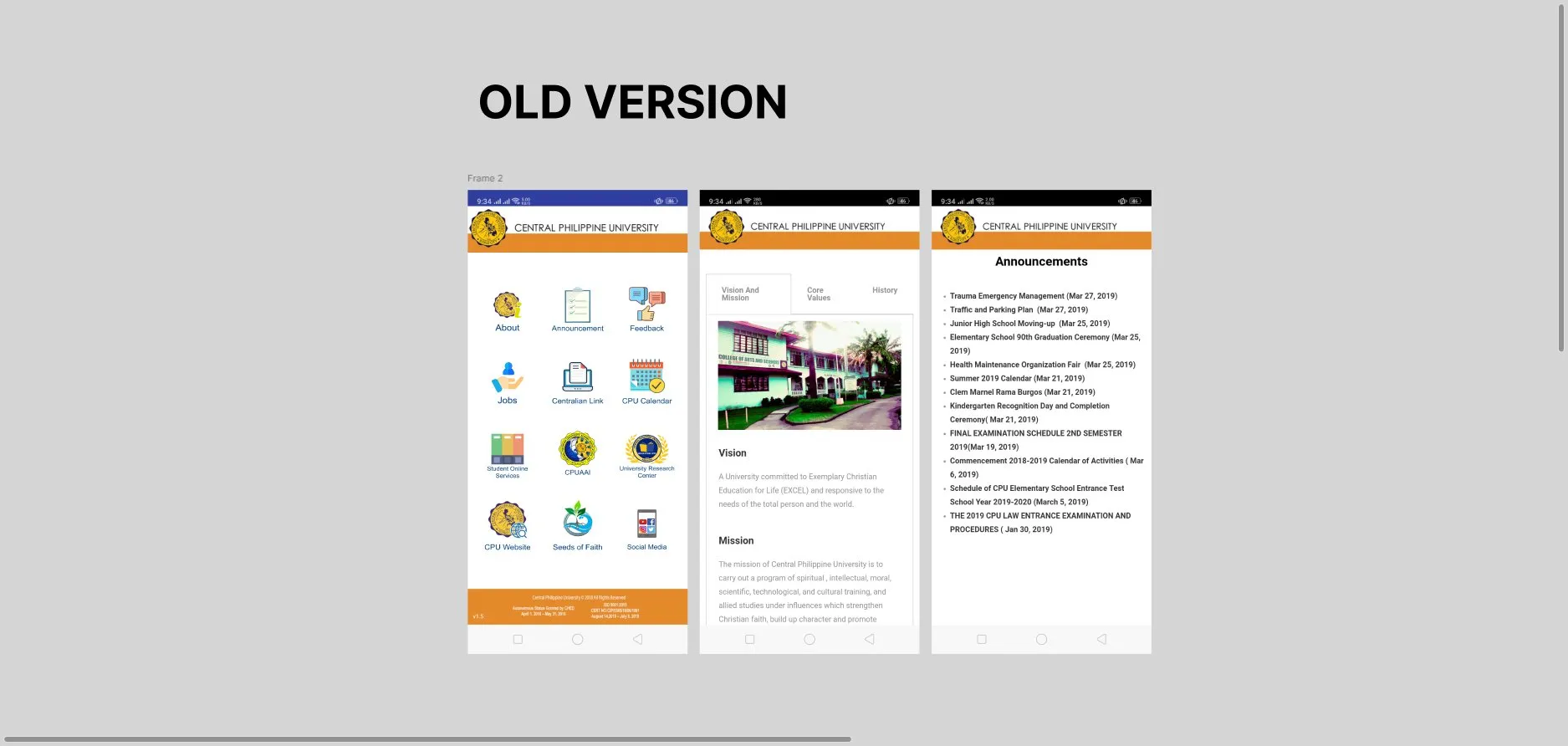
This academic case study was created during my Digital Media in Interactive Arts (DMIA) program at Central Philippine University. While my specialization was Broadcast Design, I chose to explore a UX-focused project that addressed challenges students face when navigating university services and information.
Through my own experiences and discussions with classmates, I observed that students often struggled to find important information, understand required processes, and determine where specific tasks needed to be completed. Information was frequently distributed across different channels, creating friction and confusion for students attempting to access university resources and services.
\\ research & solution
To better understand these challenges, I conducted interviews with my classmates and gathered feedback about their experiences interacting with university systems. A recurring theme emerged throughout the research: students were often unsure where to find information, which department to contact, or what steps were required to complete common university-related tasks.
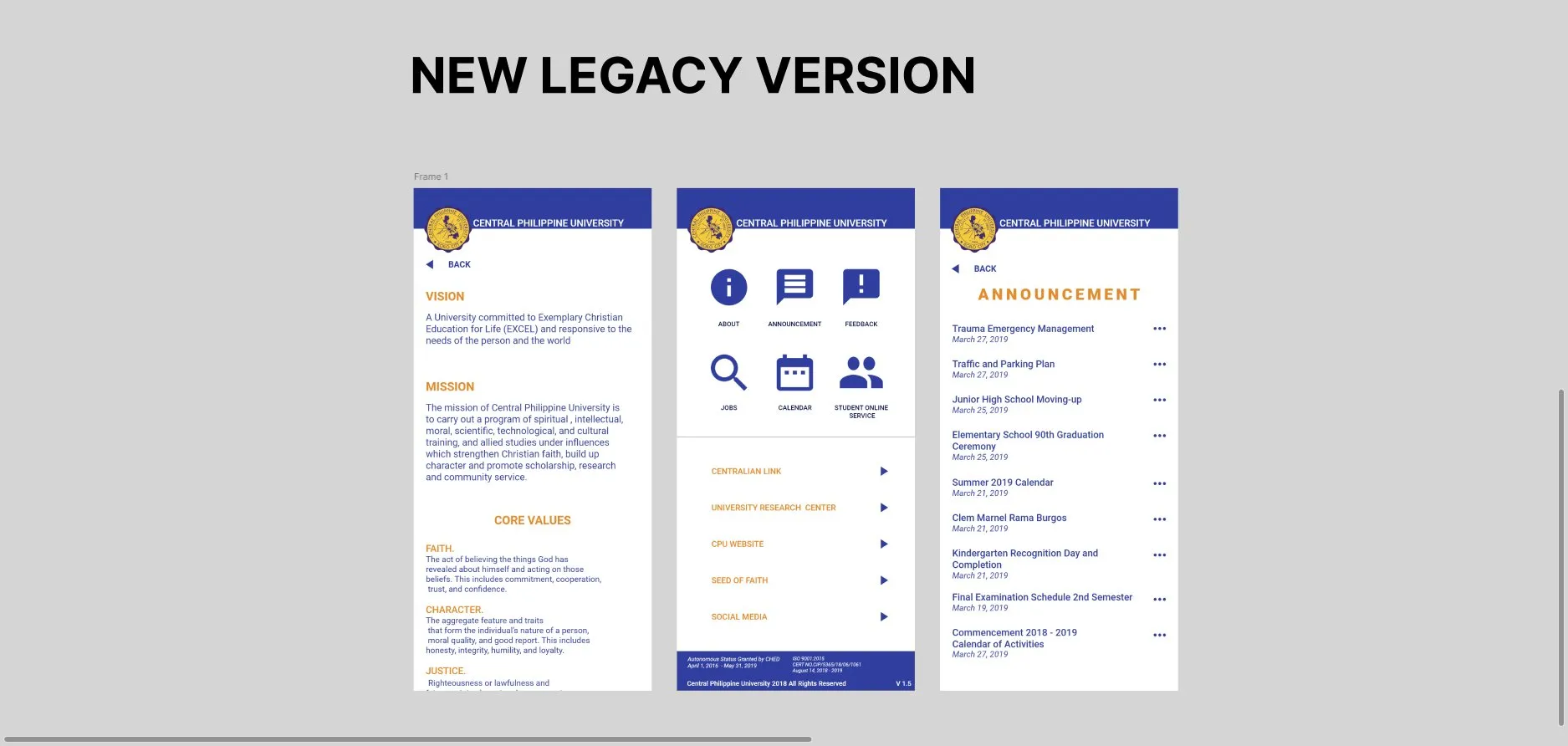
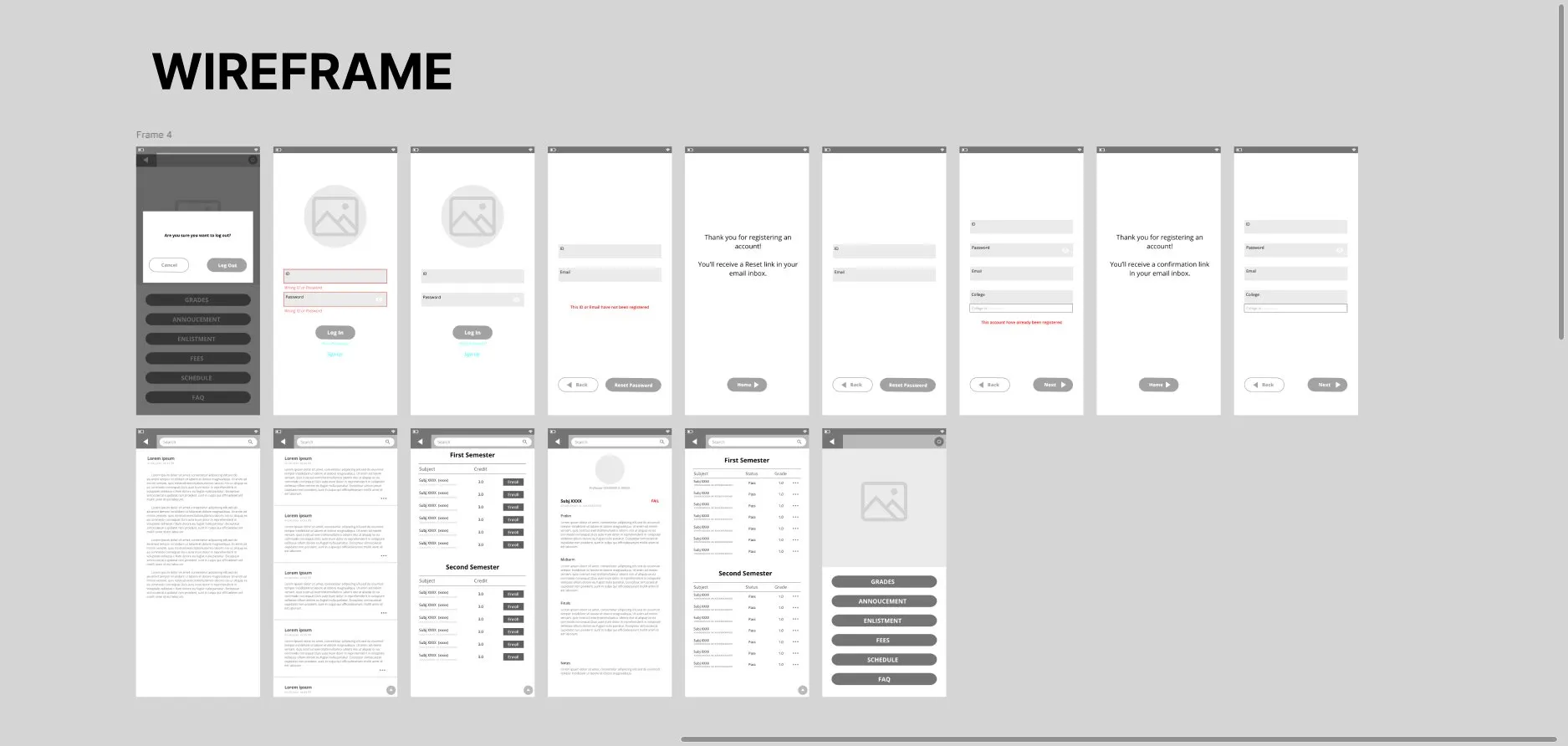
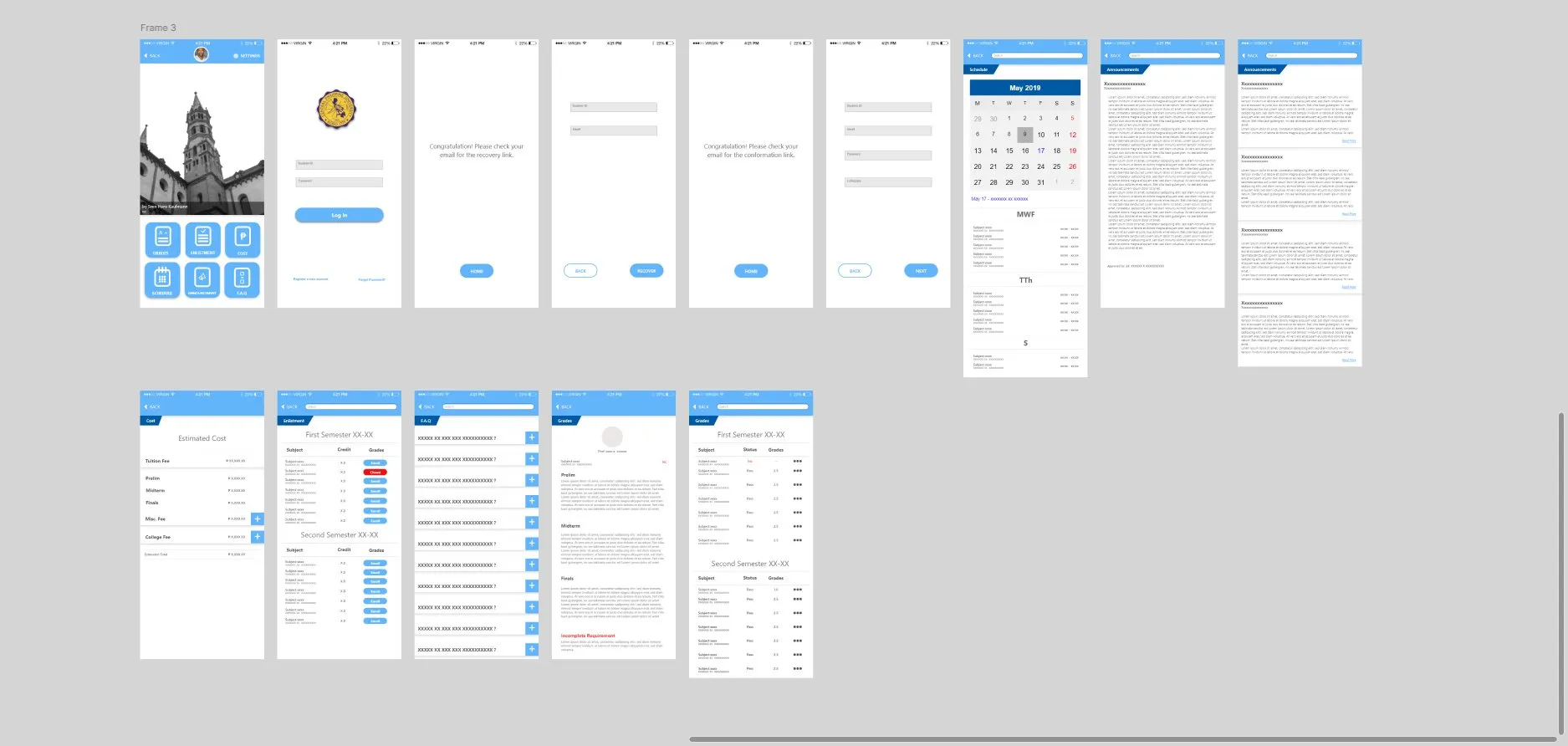
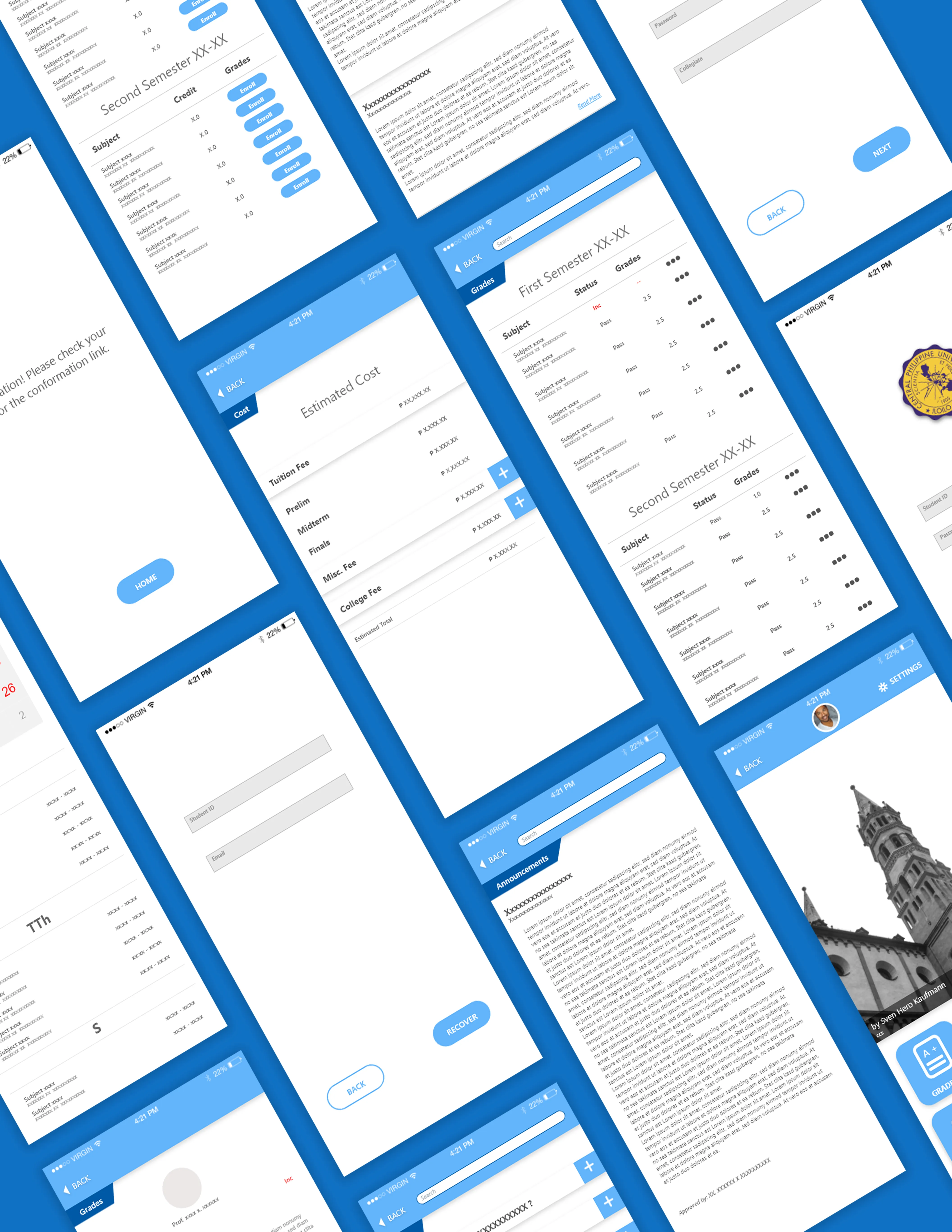
Based on these findings, I proposed a mobile application designed to centralize information, simplify access to university services, and provide clearer guidance for students. The concept focused on reducing friction by bringing essential resources, announcements, processes, and student services into a single platform. This project provided hands-on experience translating research insights into user-centered solutions while introducing me to UX methodologies beyond my primary design specialization.
\\ reflection
Looking back, one of the most important lessons from this project was understanding that solving organizational problems often requires more than designing a better interface. Universities operate through established processes, multiple departments, and complex stakeholder relationships, all of which influence how solutions can be implemented.
If I were to revisit this project today, I would spend more time conducting user interviews, validating assumptions, and collaborating closely with developers and institutional stakeholders. I would also expand the research beyond students to include faculty and administrative staff in order to better understand the operational constraints behind existing systems.
Although this was an academic project, it played an important role in shaping my understanding of user research, stakeholder management, and problem framing. It taught me that successful design begins with understanding why a problem exists before attempting to design a solution.
\\ photo